- Keynote
- Ethics
- Breakout Groups
- Itinerary
- Registration
- Code of Conduct
- Continuing Education
- Institute Committee
Keynote Speaker: Paul LePhuoc, PhD, CGP
Friday & Saturday, April 17-18th, 2026 (In-Person) 9:00 am-4:30 pm

The Theory of the Cultural Mother: Blending Sociology and Psychology to Navigate Difference and Foster Dialogue in Group Psychotherapy
The Theory of the Cultural Mother developed by Dr. Paul LePhuoc is an integrative framework that weaves together sociological and psychological perspectives. It invites us to hold the collective trauma of racism and systemic inequity alongside the nuances of individual psychological and emotional development. In doing so, it offers a way to keep the larger cultural picture in focus without losing sight of the lived experiences of the individuals within it. This presentation will explore how therapists can remain engaged in—and help clients remain engaged in—conversations that often feel disruptive or overwhelming. Whether working with individuals, couples, families, or groups, the Theory of the Cultural Mother demonstrates how a psychoanalytic lens can be applied not only to the consulting room, but also to the dynamics of society as a whole.
Central to this framework is the concept of the “Cultural Mother”— an unseen yet powerful parental figure that shapes both conscious and unconscious relationships. As expressed in the theory, “our cultural mother doesn’t love all her children equally.” By working with this idea, clinicians can deepen their understanding of transference and countertransference in the therapeutic encounter, while cultivating curiosity and openness toward the ways culture and society are internalized. In addition, participants will consider the importance of establishing both a “floor” and a “ceiling” when engaging in conversations about race, culture, and inequity. This grounding principle underscores the need for regulation and co-regulation, recognizing that such discussions inherently stir complex emotional, psychological, and somatic responses. Through theory, clinical illustration, and group discussion, participants will gain tools to engage difference with more confidence and capacity, while fostering resilience and insulation for themselves and their clients when systems of oppression are activated.
Learning Objectives:
Following the completion of the two-day Institute, the participant will be able to:
- Describe two components of the theory of the Cultural Mother.
- Explain how the Cultural Mother impacts group members’ transferences.
- Explain how the Cultural Mother impacts the group leader’s countertransference.
- Identify strategies for building insulation for members when systems of oppression are stimulated and revived.
- Discuss modern analytic concepts and techniques that are useful in exploring differences in groups.
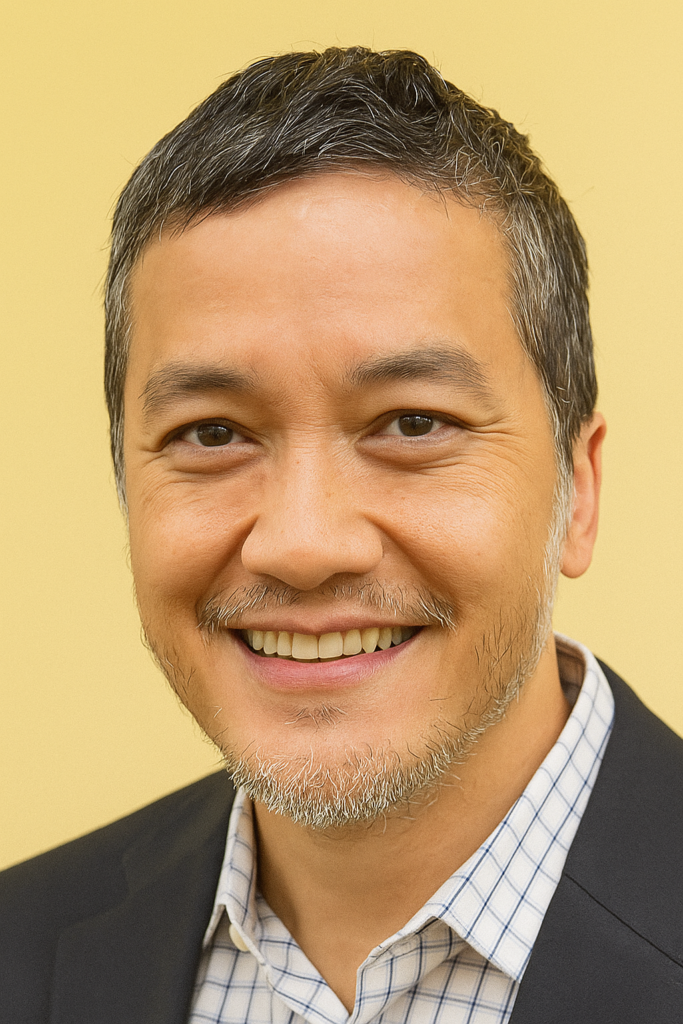
Dr. Paul LePhuoc
Dr. Paul LePhuoc is a licensed psychologist and Certified Group Psychotherapist based in Houston, Texas, where he maintains a thriving full-time private practice. His work spans individual therapy as well as the co-leadership of therapy and training groups, reflecting his deep commitment to both personal and professional development in the therapeutic process. A graduate of the Center for Group Studies program in Modern Analytic Group Leadership, Dr. LePhuoc integrates psychoanalytic and group-analytic perspectives to help clients explore the complexities of human relationships and emotional life. He also serves as Clinical Assistant Professor of Psychiatry at Baylor College of Medicine, where he contributes to the training of future clinicians. His leadership extends beyond the therapy room: he has served on the Board of the Houston Group Psychotherapy Society and the International Board for the Certification of Group Psychotherapists with the American Group Psychotherapy Association. Dr. LePhuoc regularly presents at local and national conferences on race, difference, and psychoanalytic group psychotherapy, bringing forward ways to integrate psychological and sociological perspectives into clinical practice. His work highlights how conversations about identity, trauma, and belonging can be deepened in both individual and group settings. Outside of his professional life, Paul and his husband, Jimi, are devoted to raising their eight-year-old son, Kai, whose boundless creativity and energy are expressed through show tunes, Legos, monster drawings, and martial arts.
Ethics Speaker: Marlynn Wei, MD, JD
Thursday, April 16th, 2026 (Virtual) 6:00 pm-9:00 pm
The Artificial Third: Emerging Ethical Issues of AI in Mental Health – Exploring Benefits, Risks, and the Future of Care
Artificial intelligence (AI) is rapidly entering the therapeutic space. Recent surveys suggest that 20-50% of individuals are turning to chatbots for emotional support. One in four young adults believe AI could replace human romantic partners, and one in three teens have tried AI companions. AI is actively reshaping intimacy, connection, and the human mind. Clinicians are also increasingly encountering AI tools for documentation and communication. Each of these applications introduces new ethical questions and challenges, including questions of safety, privacy, informed consent, and algorithmic bias.
This interactive 3-hour ethics workshop explores how AI is actively transforming the therapeutic relationship, serving as the “artificial third” that mediates the space between clinician and client. Through case examples, emerging research, and active discussion, participants will examine both the promises and risks of AI use in this new era.
Learning Objectives:
Following the completion of the Ethics presentation, the participant will be able to:
- Describe emerging mental health benefits and risks of AI chatbots for clinicians and clients.
- Evaluate common AI use cases in clinical and therapeutic settings through an ethical lens.
- Identify types of AI chatbot interactions and applications that carry higher mental health and ethical risks.
- Analyze ethical considerations related to the use of AI by clients and clinicians, including issues of informed consent, data privacy, safety, transparency, and algorithmic fairness and bias.

Marlynn Wei, MD, JD
Marlynn Wei, MD, JD, is a Harvard-trained psychiatrist, psychodynamic and experiential psychotherapist, and author based in New York City. Integrating her background in law, ethics, and psychiatry, Dr. Wei bridges clinical practice and emerging technology in mental health. Dr. Wei writes for Psychology Today, where her articles have reached nearly 4 million readers, and her expertise on AI therapy, AI companions, and AI-mediated delusions has been featured on CBS Mornings, CNN, PBS, and HuffPost. She completed her psychiatry residency at Massachusetts General Hospital/McLean, where she served as chief resident and received the Anne Alonso Psychotherapy Award, and is a graduate of the Yale School of Medicine and Yale Law School. Dr. Wei specializes in psychodynamic and experiential therapy for professionals in her boutique private practice based in New York City.
Breakout Groups
These groups are opportunities for participants to experience process group or take a deep dive into a particular topic. Participants will meet in these groups for 4 sessions (1.5 hours each) throughout the Institute.
If you wish to be attend a group that is already full, please email us at admin@hgps.org to be added to the waitlist.
Breakout Group 1: Psychodynamic Process Group
Jamie Cool, LCSW-S, CGP and Audrey Ryman Watson, LCSW, CGP
This Institute provides an experiential learning opportunity through participation in a modern analytically influenced process group. Participants will gain a firsthand understanding of core analytic principles through real-time interactions with peers and group leaders. Participants will have the opportunity to develop a deeper recognition for transference patterns, learn to identify resistances, practice immediacy by focusing on present-moment emotional and relational processes, and enhance their emotional attunement.

Learning Objectives:
Following the completion of this breakout session, the participant will be able to:
- Identify the phases of group development and the leader’s role in each phase.
- Define and apply such concepts as transference, resistance, content versus process and termination.
- Describe key process interactions in the group and leader interventions that facilitate the group process.
- Identify approaches to addressing termination.
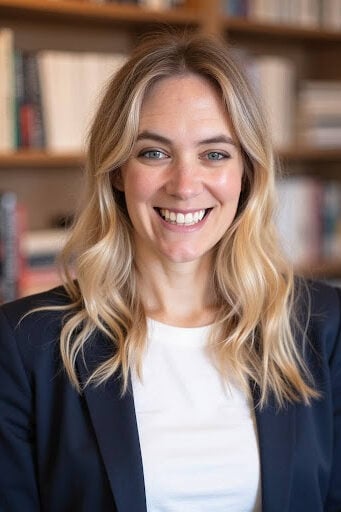
Audrey Ryman, LCSW, CGP earned her Master of Social Work Degree at The University of Houston, where she completed psychotherapy training at the Baylor Psychiatry Clinic. Following graduation, she completed a Psychodynamic Psychotherapy fellowship at the Center for Psychoanalytic Studies. Audrey is a Licensed Clinical Social Worker and a Certified Group Psychotherapist. Currently, Audrey is pursuing advanced training in Modern Analytic Group therapy through The Center for Group Studies. Prior to entering private practice, Audrey worked at the Center for Recovering Families, as both a primary therapist and Coordinator of Treatment Services. She has also served as a board member of the Houston Group Psychotherapy Society and an adjunct professor at the Graduate College of Social Work at the University of Houston. Audrey is currently on faculty at the Center for Psychoanalytic Studies. Audrey practices from a psychoanalytically informed perspective and has expertise in treating interpersonal relationship difficulties, anxiety, depression, addiction and co-occurring disorders.
Jamie Cool, LCSW-S, CGP holds a Master of Social Work from The University of Houston and is a Licensed Clinical Social Worker-Supervisor and Certified Group Psychotherapist. She is currently studying Modern Analytic Group with The Center for Group Studies in New York City. Her experience includes serving as Primary Family Therapist at the Center for Recovering Families, along with clinical work at Memorial Hermann, Menninger Clinic, and a domestic violence center. Jamie has served on the Executive Board and Board of Directors for both Houston and Austin Group Psychotherapy Societies. In private practice, Jamie leads four therapy groups and works with individuals and couples. Her approach integrates psychoanalytic and psychodynamic frameworks with her background in physical movement and performance. She maintains active involvement in Jungian and Modern Analytic training groups. Jamie specializes in treating interpersonal relationships, anxiety, depression, addiction, and co-occurring disorders.
Breakout Group 2: Beyond the Theory: Attachment from the Inside Out
Brittany Burch, LCSW-S, CGP
This group will include both a psychoeducational segment exploring Attachment Theory and interpersonal process components. Participants will have the opportunity to explore their personal attachment style, how it shows up in their relationships, and how to work with clients around the client’s attachment relationship dynamics.
Learning Objectives:
Following the completion of this breakout session, the participant will be able to:
- Explain attachment theory and attachment styles.
- Identify their personal attachment style and how this impact their personal relationships.
- Describe how to work with clients from an attachment lens.
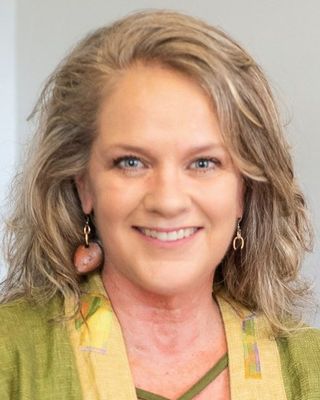
Brittany Burch, LCSW-S, CGP, is a Licensed Clinical Social Worker-Supervisor and Certified Group Psychotherapist. She earned her Master of Social Work from Washington University in St. Louis in 2006. Brittany completed a post-graduate Social Work Fellowship at the Menninger Clinic in Houston, where she worked on both the general psychiatric and eating disorders units. In 2009, Brittany joined the Montrose Center, a nonprofit dedicated to serving the LGBTQ+ community. During her tenure, she developed a highly regarded internship training program that continues to shape new clinicians entering the field. Brittany opened her private practice, Autumn Counseling, Inc., in April 2018. She specializes in relationship therapy, integrating Emotionally Focused Therapy (EFT) and Relational Life Therapy (RLT) approaches. She is a Certified EFT Couples Therapist and an EFT Supervisor. Brittany is the Past President of the Houston Community for Emotionally Focused Therapy (HCEFT) and currently serves as the Membership Committee Chair for the Houston Group Psychotherapy Society (HGPS).

Breakout Group 3: Combined Psychodynamic and Cognitive Behavioral Process Group
Richard Newman, LPC-S, LMFT-S, CGP and Drew Krieger, DSW, LCSW, MBA
This experiential process group is a practical example of how group leaders integrate psychodynamic and cognitive-behavioral theory in the facilitation of groups. Participants will have the opportunity to experience this integration as they work to understand the basics of group dynamics including group stages, co-leader dynamics, and various interventions across theoretical orientations.
Learning Objectives:
Following the completion of this breakout session, the participant will be able to:
- State the stages of group therapy and at what points the stages were experienced.
- Cite the types of interventions used by the group facilitator.
- Distinguish between process and content and verbalize the role each plays in the group process.
- Specify how the co-leaders communicate in their leadership.
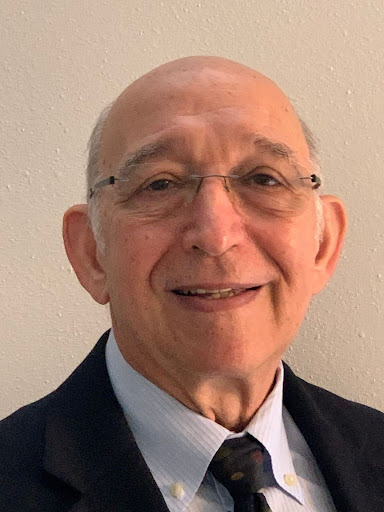
Richard L. Newman, M.Ed., LPC-S, LMFT-S, CGP, NCC, CCMHC, AGPA-F, now semi-retired, has practiced for over fifty years in venues that have included military, inpatient, residential, community agency, and day-treatment facilities. He began his private practice in 1980 and has been in the role of administrator, supervisor, and practitioner. He has treated children, adolescents, adults, families, and couples, individually and in groups, using psychodynamic, developmental, and systems theories; he also uses the concepts of Motivational Interviewing and Cognitive Behavioral
Therapy as adjuncts to his basic training. During his career, he was a founding member of the Houston area LPC Association, has been an active member of HGPS in various leadership roles. He has worked with the National Board for Certified Counselors for many years in the generation of the two counselor exams used for licensures in most states.
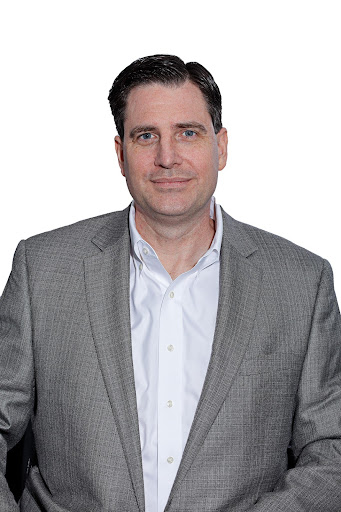
Dr. Andrew Krieger is a private practice psychotherapist, and a mental health and technology executive with extensive experience in business consulting, clinical program design and development, addiction treatment and mental health technology. He has held clinical positions at some of the leading addiction treatment programs in Texas and has served in executive roles in top companies across multiple industries. Dr. Krieger received his Doctor of Social Work from the University of Southern California and Master of Clinical Social Work and Master of Business Administration from the University of Houston. Dr. Krieger has provided consulting services for over 25 years to both for-profit and non-profit organizations along a wide range of operational areas. He has also worked for over 20 years with individuals and families as a private practice and group psychotherapist, specializing in addictive disorders, family therapy, group psychotherapy and process addictions.
Breakout Group 4: Utilizing Acceptance & Commitment Therapy (ACT) Principles to Support Clients (and Yourself) and Engage in Your Values and Personal Fulfillment
Jared Broussard, MA, LPC
Through the utilization of Acceptance and Commitment Theory (ACT) principles, individuals (both mental health professionals, their clients, and anyone else) can practice engaging in their personal values in a meaningful manner while making space internally for their uncomfortable experiences that make it hard to engage in life at times. This experiential workshop will invite participants to learn about core ACT principles and gain familiarity with ACT skills and techniques as they are practiced in a group environment.
Learning Objectives:
Following the completion of this breakout session, the participant will be able to:
- Gain familiarity with ACT Principles through the Hexaflex framework,
- Gain familiarity with skills and techniques for defining a personal values system,
- Gain familiarity with skills adn techniques for practicing acceptance and acknowledgement towards their uncomfortable internal experiences,
- Gain familiarity with the ACT Matrix as a way to put the previously learned ACT Principles and Skills/Techniques into practice (both for their clients and themselves)
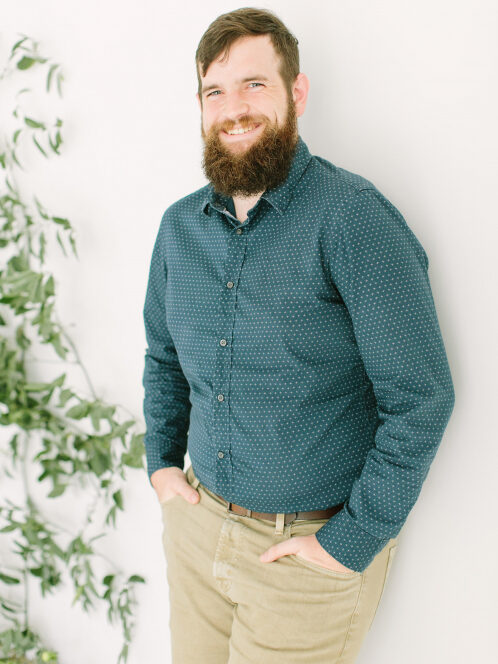
Jared Broussard, M.A., LPC, is a licensed professional counselor and founder of Thumos.Life Mindfulness & Psychotherapy, a private practice in Houston, Texas. His clinical work integrates Acceptance Commitment Therapy (ACT), Eye Movement Desensitization and Reprocessing (EMDR), and Executive functioning /ADHD Coaching supporting clients with compassion, sarcasm, and authenticity. Jared’s career has spanned from inpatient psychiatric institutions to private practice. In these roles, he developed treatment programming, lead therapeutic groups, and collaborated on research efforts. Jared has presented multiple times at local and national conferences about Narrative ACT. Drawing from both evidence-based science and the human experience, Jared approaches therapy as exploration of the authentic version of themselves – doing his best to blend insight, humor, and authenticity into his work. Through his practice and speaking engagements (and incorporation of Nerd references when applicable), he encourages individuals to cultivate resilience, curiosity, and compassion in the face of life’s challenges.
Breakout Group 5: Mapping Our Inner World: An Experiential Introduction to Internal Family Systems
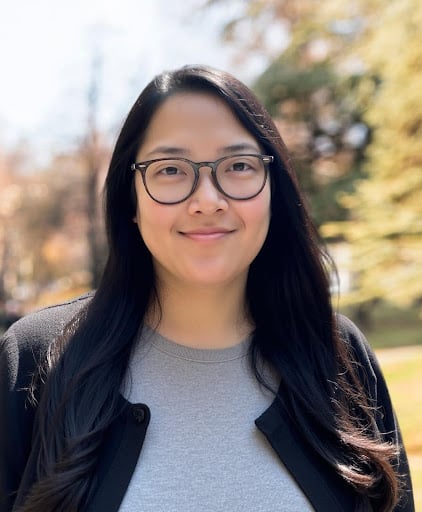
Marina Arnaud, LCSW and Nina Tahija, LCSW, CGP
This experiential workshop provides an introduction to Internal Family Systems (IFS) therapy, an evidence-based model that conceptualizes the mind as a system of parts—with its distinct inner experiences, emotions, and roles – and a Self that is the innate source of healing and leadership. Designed for mental health professionals who are new to IFS, this training will combine didactic presentations with experiential exercises to facilitate both cognitive understanding and personal integration of the model. Participants will gain foundational skills in identifying parts, fostering Self-energy, and beginning to engage protective systems with curiosity and compassion.
Learning Objectives:
Following the completion of this breakout session, the participant will be able to:
- Describe the foundational principles of the IFS model, including the role of parts and Self.
- Identify the two categories of parts (e.g., protectors, exiles) and their adaptive functions within the internal system.
- Apply experiential exercises to increase awareness of one’s own parts.
- Develop beginning skills in approaching protective parts with non-judgment and curiosity.
- Identify ways IFS concepts can be integrated into clinical practice to support client’s healing.
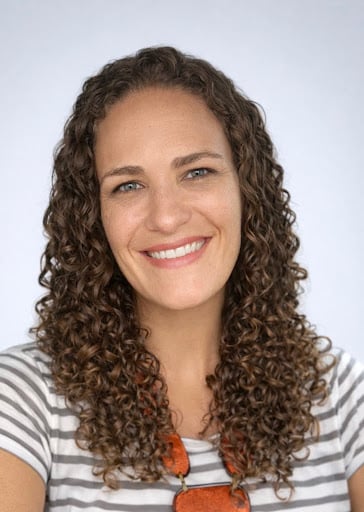
Marina Rathjens Arnaud, LCSW, is a relational, trauma-informed therapist at The Lovett Center in Houston, working with adults, adolescents, and couples navigating life transitions, relational challenges, and identity development. Marina has a particular love for group therapy and values groups as powerful spaces for resonance, reflection, and relational repair. She currently leads an Aftercare Process Group at The Lovett Center, supporting clients as they transition from higher levels of care into more sustainable, connected ways of living. Born and trained in Brazil, and having lived in Colombia, England, and Germany, Marina brings a multicultural lens to her clinical work, with sensitivity to belonging and identity shifts. Her integrative approach is informed by psychodynamic theory, trauma-informed care, Dialectical Behavior Therapy, and Internal Family Systems (IFS Level 1). Marina is a member of AGPA, serves as Third Vice President of the Houston Group Psychotherapy Society, and co-facilitates the IFS Special Interest Group.
Nina Tahija, LCSW, CGP, is a licensed clinical social worker and Certified Group Psychotherapist who brings a deeply experiential, body-based lens to her work with adults navigating complex trauma and addictive processes. She is especially interested in how healing unfolds when clients are supported in slowing down, listening to their bodies, and approaching their internal systems with curiosity. Nina integrates Internal Family Systems, Somatic Experiencing, and Trauma-Sensitive Yoga to help clients build compassionate relationships with their parts, track nervous system activation, and cultivate choice, agency, and embodied presence. Nina is certified in Internal Family Systems therapy and has assisted in IFS Level 1 and Level 2 trainings with the IFS Institute. She is also trained in Trauma-Sensitive Yoga and The Daring Way. Nina has co-authored four peer-reviewed articles published in leading journals and currently serves on the board of the Houston Group Psychotherapy Society as Co–Second Vice President.
Breakout Group 6: At the Edge of Contact Attunement, Not Technique: The Therapist’s True Self in Relational Group Therapy
Jana Rosenbaum, LCSW, ACP, AGPA-F and Jean Dixon, LPC, SEP, CGP, RYT
Attunement allows the therapist to create emotional safety, deepen trust, and support healing in the therapeutic process. How can therapists cultivate attunement with their own authentic selves to remain attuned to others, especially when familiar techniques no longer apply? This experiential group training explores how therapists stay oriented to the relational field in real time through somatic awareness, mindfulness, and collaborative group process. Participants will learn to track internal cues—bodily signals, intuition, and shifts in contact—to support authentic, attuned presence in group work. Particular attention will be given to why neurodivergent clients are especially sensitive to incongruence and loss of attunement.
Learning Objectives:
Following the completion of this breakout session, the participant will be able to:
- Describe how attunement supports safety, trust, and therapeutic process in group therapy
- Identify and describe ways somatic awareness can be used to track internal experience and support attunement in group therapy.
- Explain why neurodivergent clients are especially sensitive to loss of attunement in group settings
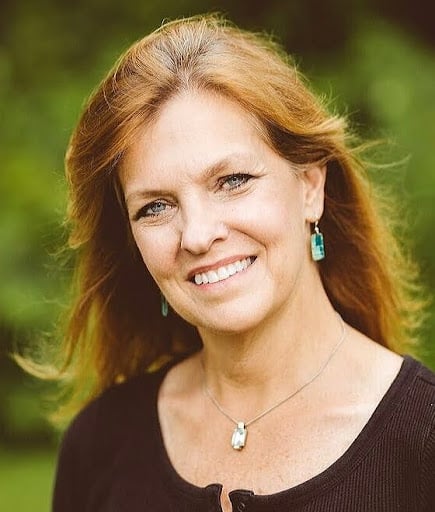
Jean Dixon, LPC, SEP, CGP, RYT is a psychotherapist in private practice in the Houston area. She is a Certified Somatic Experiencing® Practitioner, Certified Group Psychotherapist, EMDR trained, and a Registered Yoga Teacher. Jean works primarily with highly sensitive, empathic, and intuitive women, integrating somatic therapy, EMDR, and empowering movement to support nervous system regulation, strength, and self-attunement. Her approach is deeply relational and grounded in presence, helping women reconnect with their bodies, agency, and voice.
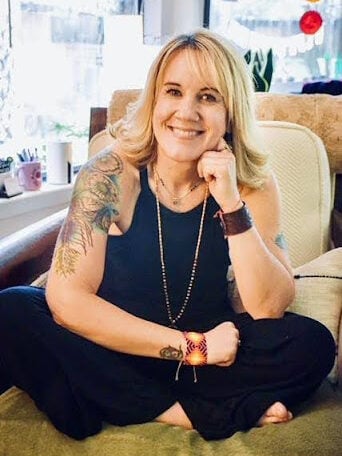
Jana Rosenbaum, LCSW, ACP, AGPA-F, is a psychotherapist in private practice in Houston, TX. Her style is eclectic and creative, with advanced training in psychodynamic psychotherapy, mindfulness, mind-body approaches, trauma recovery, and group psychotherapy.
Thursday, April 16th, 2025 (Virtual)
| Ethics Presentation: Marlynn Wei, MD, JD The Artificial Third: Emerging Ethical Issues of AI in Mental Health | 6:00 pm – 9:00 pm |
Friday, April 17th, 2025 (In-Person)
| Registration | 8:00 am – 8:45 am |
| Announcements | 8:45 am – 9:00 am |
| Keynote Presentation (Part 1) The Theory of the Cultural Mother | 9:00 am – 10:30 am |
| Break | 10:30 am – 10:45 am |
| Process Group/Specific Interest Group (Part 1) | 10:45 am – 12:15 pm |
| Lunch* | 12:15 pm – 1:15 pm |
| Keynote Presentation (Part 2) The Theory of the Cultural Mother | 1:15 pm – 2:45 pm |
| Break | 2:45 pm – 3:00 pm |
| Process Group/Specific Interest Group (Part 2) | 3:00 pm – 4:30 pm |
*Lunch will be provided.
**Group facilitators & consultants will meet morning & lunch for recap.
Saturday, April 18th, 2025 (In-Person)
| Registration | 8:15 am – 8:45 am |
| Announcements | 8:45 am – 9:00 am |
| Keynote Presentation(Part 3) The Theory of the Cultural Mother | 9:00 am – 10:30 am |
| Break | 10:30 am – 10:45 am |
| Process Group/Specific Interest Group (Part 3) | 10:45 am – 12:15 pm |
| Lunch* | 12:15 pm – 1:15 pm |
| Silent Auction/Announcements | 1:15 pm – 1:30 pm |
| Keynote Presentation (Part 4) The Theory of the Cultural Mother | 1:30 pm – 3:00 pm |
| Break | 3:00 pm – 3:15 pm |
| Process Group/Specific Interest Group (Part 4) | 3:15 pm – 4:45 pm |
*Lunch will be provided.
**Group facilitators & consultants will meet morning & lunch for recap.
Venue
United Way Greater Houston
50 Waugh Dr,
Houston, TX 77007
Registration Fees
Early Bird Registration Fees (ends February 28, 2026)
| HGPS Member | Non-Members | Students/Early Career Professionals* (0-2 years) | Agency (3+ people) (per person) | |
| Ethics | $100 | $125 | $75 | $110 |
| 2 Day Institute | $315 | $345 | $140 | $260 |
| Ethics & 2 Day Institute | $355 | $385 | $170 | $305 |
Registration Fees (starting March 1, 2026)
| HGPS Member | Non-Members | Students/Early Career Professionals* (0-2 years) | Agency (3+ people) (per person) | |
| Ethics | $135 | $175 | $115 | $110 |
| 2 Day Institute | $345 | $380 | $170 | $260 |
| Ethics & 2 Day Institute | $395 | $420 | $200 | $305 |
*Early Career Professionals include interns and clinicians holding associate license (e.g. LPC-A, LMSW).
Agency Registration
We invite agencies to join the Institute and offer a discount when 3 or more people from an agency attend. Please email admin@hgps.org to register.
Scholarships
An HGPS goal is to provide access to education on group psychotherapy to the clinical community. To apply for a scholarship, complete this form by March 1st, 2026.
You will be considered for a scholarship as funding and scholarship constraints permit. Only a limited number of scholarships are available. Please contact Jia Wong for more information jia@gentlejourneywellness.com.
Professional Code of Conduct
The following conditions are important for all attendees, and must be agreed-to online at the time of registration for a HGPS event.
Each participant may be in a different place on their continuum of professional and personal growth and development. We ask that each participant hold themselves accountable to the HGPS Institute Professional Code of Conduct Agreement to allow for a shared experience fostering the opportunity for growth, a positive learning experience, understanding and connection.
By completing the registration process, I agree to the following policies:
- I meet the intended audience requirements of this event.
- I agree to participate in fostering a supportive learning environment, attentive to ethical and professional behavior and speech.
- I recognize that this is not designed to be a psychotherapy experience, but rather a training opportunity for clinicians to learn more about themselves and the practice of group psychotherapy.
- I agree to abide by the AGPA Safe Environment Policy and AGPA Policy Statement on Inclusion.
- HGPS abides by the AGPA Guidelines for Creating Affirming Group Experiences and I agree to abide by the same.
- I agree to be present for the full event if I desire CE credit.
- If a participant engages in violations of any of the policies noted herein, HGPS reserves the right to take any action HGPS deems appropriate, including the use of micro interventions during events, the right to remove an individual from the event without warning or refund, the right to prohibit an individual from attendance at future HGPS activities and the right to notify the individual’s state licensing board.
- Support with upholding the Professional Conduct Agreement (If you are subject to or witness violations to the policies noted here):
- If you are subject to or witness breaches as specified by the HGPS policies noted here or believe these policies have been violated during an event, we encourage you to address the person involved directly. In the event that concerns arise that you do not feel comfortable addressing directly with the person that has caused harm, you may speak with a member of the HGPS Institute team (or message with them privately during online training mediums) directly for support.
- If you are subject to or witness breaches as specified by the HGPS policies noted here or believe these policies have been violated and prefer to follow-up after the event, please contact the particular Director/Chair of the HGPS Event attended or a member of the HGPS Board. If possible, please provide the following information:
- Identifying information of the participant behaving in an unacceptable manner
- Description of the behavior that was in violation
- The approximate time of the behavior (if different from the time the report was made)
- The circumstances surrounding the incident
- Other people involved in or witnessing the incident
- All reports are confidential amongst the HGPS Institute Co-Chairs and members of the HGPS Board.
- If your safety is threatened, please contact appropriate law enforcement.
- If you feel you have been falsely or unfairly accused of violating the policies noted here:
- Please contact HGPS Institute Co-Chairs or a member of the HGPS Board. All reports are confidential with a concise description of your grievance. Your grievance will be handled in accordance with our existing governing policies.
Continuing Education
Up to 15 Continuing Education hours are available for Psychologist, LCSW, LMFT, LPC, and CGP licenses/certifications, including 3 ethics hours. Clinicians should only claim the credit commensurate with the extent of their participation in the Institute.
HGPS follows the Texas Behavioral Health Executive Council rules for acceptable continuing education for continuing education providers. The Council oversees Texas State Board of Examiners of Marriage and Family Therapists, Texas State Board of Examiners of Licensed Professional Counselors, Texas State Board of Examiners of Psychologists, and Texas State Board of Social Worker Examiners. While the Council no longer pre-approves or regulates continuing education providers and programs, our continuing education credits are accepted by the Council.
IMPORTANT DISCLOSURE INFORMATION FOR ALL LEARNERS: None of the planners and presenters of this CE program have any relevant financial relationships to disclose.
2026 HGPS Institute Committee
HGPS thanks the Institute Committee. The Institute would not be possible without the work of the Institute Committee members.
Jennifer Markey, PhD, MEd, CGP (co-chair)
Phuong Nguyen, LMSW, LCDC, RN (co-chair)
Nina Tahija, LCSW, CGP
Jia Wong, LPC
Dan Workman, LCSW, CGP
Richard Newman, LPC-S, LMFT-S, LCSW, NCC, CCMHC, CGP, AGPA-F
Justin Collier, LMSW
Emily Young, LPC-Associate
Haley Qualman, LCSW
Jared Broussard, MA, LPC
Emma Hightower, LCSW, LCDC